Indonesia's wildfire haze puts neighbours under pressure to act
Weeks of pollution have left Singapore and Malaysia balancing public demands for action with the need to manage relations with Indonesia.
By Marta Price ·
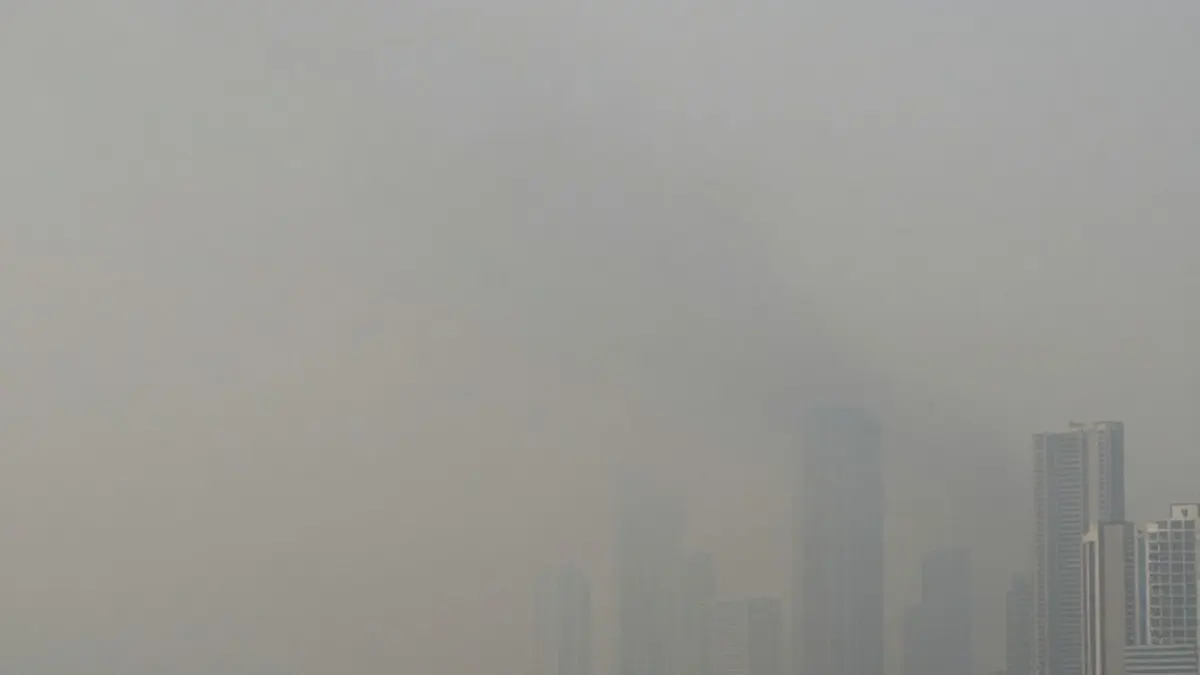
Smoke from wildfires in Indonesia has become a diplomatic challenge for neighbouring Singapore and Malaysia, where prolonged exposure to toxic haze has caused respiratory illnesses and headaches. Winds have carried pollution from Kalimantan, Papua and Sumatra across borders, increasing pressure on governments to protect residents while preserving their relationships with Jakarta.
Indonesia experiences wildfires annually, often associated with large-scale clearance of land for crops such as oil palm. This year's strong El Niño has worsened drought in forests and peatlands, making the fires particularly difficult to contain. Haze episodes that previously lasted days in Singapore and Malaysia have continued for weeks. Eugene Tan, an associate professor of law at Singapore Management University, told the BBC that public anger could turn an external problem into a domestic political issue.
Some Malaysians have responded by boycotting Indonesian goods. The protest followed calls from lawmaker Syed Saddiq for sanctions against companies connected to the fires. In Singapore, Tan said residents questioned whether their government had prepared adequately despite warnings about severe El Niño conditions, and expected firm action against polluters.
Singapore has established hundreds of shelters from the haze and is distributing masks to children, older people and other vulnerable residents. Authorities are considering stronger haze legislation and investigating possible connections between 10 Singapore-registered companies and the Indonesian fires. Last week, Foreign Minister Vivian Balakrishnan met Indonesian President Prabowo Subianto in Jakarta. Both countries also announced a joint task force to address the pollution, suggesting an easing of tensions.
The diplomatic strain had intensified after a senior Indonesian official described the fires as beyond human control and said neighbouring countries also received oxygen from Indonesian forests. Singapore's senior minister K Shanmugam criticised those remarks, stressing the serious health effects and the shared interest in confronting companies responsible. He argued that Indonesian residents were suffering too.
Indonesia subsequently announced a reduction in gas exports to Singapore, citing domestic energy requirements. Many interpreted the decision as retaliation, particularly after Indonesia's energy minister warned that exports could stop to countries showing disrespect. Indonesia has experienced electricity shortages in some areas, however, and Singapore said the reduction represented less than 2% of its total daily demand and would have little effect on supply.
Malaysia has taken a more restrained diplomatic approach. Foreign Minister Mohamad Hasan ruled out a formal protest or legal action, saying those steps would signal a willingness to sever relations. Malaysia has agreed to explore a memorandum of understanding with Indonesia on wildfire prevention and intends to use diplomatic arrangements, including the Asean Agreement on Transboundary Haze Pollution.
That agreement, effective since 2003, requires regional cooperation but cannot punish agricultural companies linked to fires or compel governments to act against them. James Chin, a University of Tasmania professor of Asian studies, questioned its effectiveness, saying political pressure fades when the haze clears. Asean countries adopted a haze elimination target in 2016 for 2020, then replaced the missed deadline with a 2030 goal.
Malaysia's own palm oil industry and history of fires on domestic land complicate its position. Ei Sun Oh, principal adviser at Malaysia's Pacific Research Centre, said continued emphasis on oil palm cultivation would mean recurring haze. He also argued that Malaysia had less influence over Indonesia than Singapore, Indonesia's largest foreign investor and a financial centre for wealthy Indonesians, and was reluctant to provoke Jakarta.
Source: BBC News