Hackers Hit Grocery Store Freezers Across Europe, and Experts Warn Smart Homes Could Be Next
After cyberattacks spoiled food at European stores and breached France's emergency blood supply network, cybersecurity specialists say the same weaknesses may exist inside connected homes.
By Marta Price ·
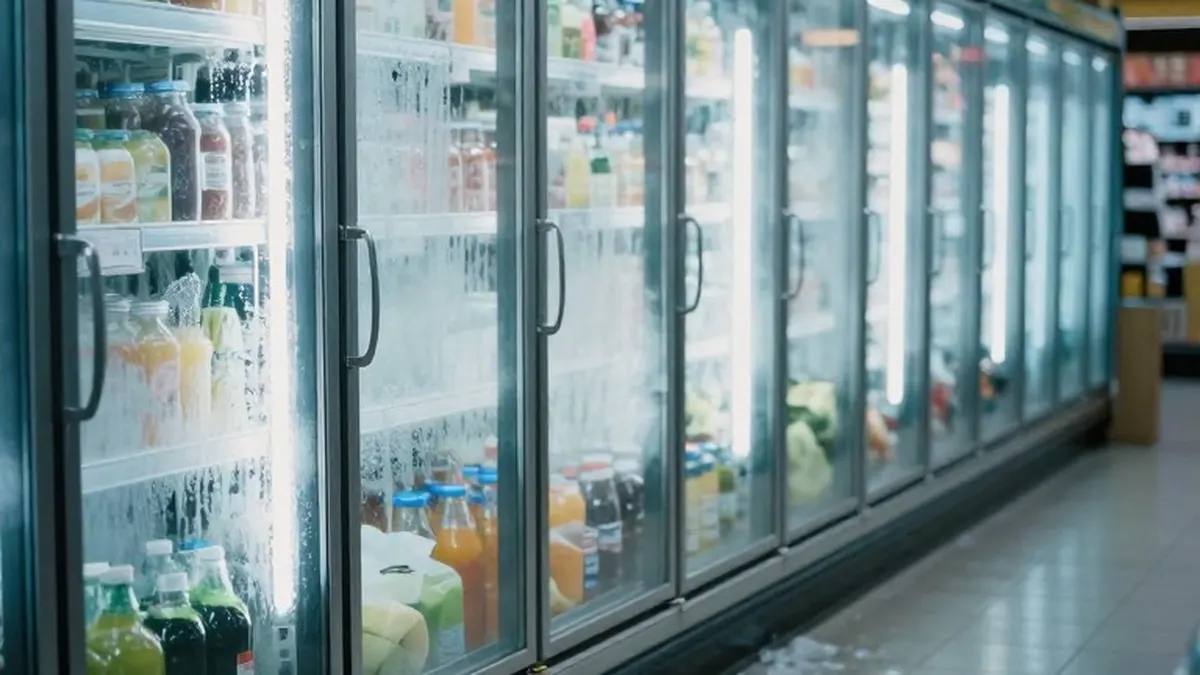
Cyberattacks on grocery store refrigeration systems across Europe sent temperatures climbing on Monday, spoiling food and causing significant financial losses in the second such incident in less than a month. In October, hundreds of French stores were hit in a similar attack that drove temperatures in some units to 122 degrees Fahrenheit, destroying a huge amount of food.
France's health service said Wednesday that hackers had also compromised the country's national emergency blood supply network this week. Alert and backup systems prevented cold storage facilities from being shut down, and no supplies were lost.
The incidents have renewed wider concerns about the vulnerability of critical infrastructure and the ever expanding reach of internet connected devices. The worry is no longer limited to essential systems such as electricity grids, healthcare databases and supermarket refrigeration, which can have multiple layers of security and redundancy built in. Everyday household appliances are now online too.
Several cybersecurity experts told CBS News that the same kinds of weaknesses exploited in the grocery store hacks could exist inside homes, where heating systems, smart TVs, security cameras, door locks and ovens are connected to the internet by the millions.
"Our homes may be more vulnerable than many people think," Dr. Manny Niri, a cybersecurity lecturer at Oxford Brookes University, told CBS News, describing smart fridges, TVs, cameras and locks as small computers that, like any computer, can have weaknesses. "Often the problem is simple: default or reused passwords, old software, or accounts with weak security," he said.
Professor George Loukas, head of the Centre for Sustainable Cyber Security at the University of Greenwich, said vulnerabilities in some mass produced devices could potentially expose millions of households at the same time. "One flaw in a popular model opens the door to every home that owns it," he said.
The potential damage goes well beyond a hacker switching an appliance on or off remotely, extending to "anything the device is already allowed to do," Loukas said. "If an app can turn off your heating, unlock your door or switch off your camera, so can a hacker." Niri said unauthorized access to a camera or microphone could reveal when people are home, what they are doing and even their conversations, while one compromised device can sometimes open a path to other devices on the same network, exposing personal or financial information. There can also be physical consequences, he said, such as changing a fridge temperature, interfering with an alarm system or opening a smart lock.
Some warnings have already materialized. In 2025, U.S. cybersecurity officials identified a critical vulnerability in certain WiFi thermostats that could allow hackers to gain full administrative control of the units. The U.S. Federal Trade Commission has documented cases involving Ring security cameras that were used to spy on and harass homeowners. And in 2016, malware infected hundreds of thousands of internet connected devices, including household routers and security cameras, transforming them into a network capable of launching large scale cyberattacks.
Artificial intelligence could make attacks of that kind significantly easier, Loukas told CBS News. "With AI, an attack that once needed a skilled team working for weeks can now be run by one person," he said. "This lowers the bar for who can cause disruption at scale." Dr. Abdullahi Arabo, associate professor of cyberscience and network security at the University of the West of England, likewise warned that a single compromised device could expose other systems within a household.
Even so, the experts emphasized that ordinary, individual households are unlikely to be deliberately targeted. "I suggest awareness, not fear," Niri said, adding that "comfort has a cost." Before buying a smart device, he said, people should ask, "Do I really need this to be online, and what happens if it is hacked?" He recommended changing default passwords on all devices, enabling two-factor authentication where available, updating software regularly and retaining manual control over essential systems.
Source: CBS News